Your practice does not become a part-time, seven-figure business because you work harder. It gets there when your team can produce exceptional patient experiences, protect standards, and solve routine problems without waiting for you to step out of an adjustment. That is what chiropractic team leadership training is designed to build.
Most owners do not have a team problem. They have a leadership system problem. The front desk may be friendly but inconsistent. Associates may deliver good care but lack ownership. Team meetings may happen, yet the same issues return every week. The owner responds by doing more, checking everything, and becoming the bottleneck that keeps the business from growing.
A CEO-level practice requires a different standard. Your team must know what winning looks like, how their role drives revenue and retention, and what decisions they are trusted to make. Leadership training is not a motivational event. It is the operating system that turns capable employees into a high-performing practice team.
Why Most Chiropractic Teams Stay Owner-Dependent
Owners often hire for personality, then hope experience will fill the gaps. They bring someone in, provide a few days of shadowing, hand them a list of tasks, and expect consistency to appear. When it does not, they either micromanage or tolerate performance that quietly costs the practice collections, referrals, and culture.
Neither approach builds leverage.
Your team needs more than job descriptions. They need clarity around the practice vision, the patient journey, key performance expectations, communication standards, and the boundaries of their authority. Without those elements, every challenge travels upward to the owner. A missed reactivation opportunity, a scheduling gap, a patient concern, or a team conflict becomes another item on your already overloaded plate.
That cycle can feel productive because you are busy. It is not scalable. If your income falls when you reduce your adjusting hours or take a week away, you do not own a business with operational freedom yet. You own a demanding job with payroll.
Chiropractic Team Leadership Training Starts With CEO Clarity
Before you train your team, decide what they are being trained to create. Vague goals produce vague execution. “Give great service” is not a leadership standard. “Create a five-star patient experience that increases retention, referrals, and cash collections” gives people a business outcome they can understand.
As the owner, your responsibility is to define the scorecard. That means knowing the numbers that reveal whether the patient experience and business model are working. Depending on your practice, that may include new patient conversion, visit average, reactivation, referrals, collections, patient retention, schedule capacity, and payroll percentage.
Do not hand your team financial metrics as a pressure tactic. Teach them the connection. A care coordinator who understands how a confident financial conversation supports patient commitment behaves differently than one who believes their only job is to collect a copay. An associate who understands retention and re-exams can lead better clinical conversations without feeling like they are being pushed into sales.
This is especially critical in a cash-based practice. Your team cannot hide behind insurance complexity or assume patients will simply continue care. Every interaction must reinforce value, trust, and a clear next step.
Make Every Role Revenue-Aware
Revenue awareness is not the same as turning every employee into a salesperson. It means each person understands how their role either strengthens or weakens the economic engine of the practice.
Your front desk influences schedule utilization, patient confidence, and whether a prospective patient actually arrives. Your chiropractic assistants influence flow, education, and the consistency of the in-office experience. Your associates influence clinical excellence, retention, and capacity. Your office manager influences accountability, reporting, and the speed at which small problems become solved problems.
When roles are disconnected from outcomes, team members default to task completion. When they understand outcomes, they begin to think like leaders.
Build Leaders, Not Dependence
The biggest shift in chiropractic team leadership training is moving from instruction to ownership. Instruction says, “Here is what to do.” Ownership says, “Here is the result you own, the standard you must protect, and the resources available to help you succeed.”
That shift requires trust, but trust does not mean lowering the bar. It means creating clear decision rights. For example, a team lead may be authorized to resolve a patient service issue up to a set dollar amount, adjust a schedule to recover capacity, or coach a team member on a documented process. The owner does not need to approve every small decision.
Start with a few areas where your dependence is highest. If you answer every scheduling question, train a scheduling leader. If new patient follow-up disappears when you get busy, assign ownership to a patient conversion leader. If team members come to you with complaints about each other, establish a direct communication process before escalation reaches your desk.
You will need to tolerate a learning curve. A team member will not make every decision exactly as you would. That is not failure. The goal is not to clone the owner. The goal is to build capable people who can protect the practice standards without requiring your constant presence.
Use Meetings to Drive Execution, Not Announcements
A weekly team meeting is one of the most underused leadership tools in chiropractic practices. Too many meetings become a place for reminders, scattered complaints, and information that could have been sent in a message. Your team leaves knowing what happened, but not what matters next.
A productive leadership meeting has a scoreboard, a short review of wins and misses, one focused training topic, and specific commitments for the coming week. If a metric is down, do not spend 30 minutes assigning blame. Ask what happened in the patient journey, what process broke down, who owns the correction, and when you will review the result.
Keep the meeting connected to real performance. If new patient conversion dropped, role-play the phone call and the report of findings handoff. If reactivation is weak, audit the outreach process and create a measurable follow-up target. If the schedule has holes, identify whether the issue is demand, confirmation, retention, or poor calendar management.
The point is not more meetings. It is a rhythm of accountability that makes expectations visible.
Coach Performance Before You Correct Personality
When a team member is struggling, owners often make it personal too quickly. They label someone unmotivated, negative, or not a culture fit before they have defined the required behavior. Sometimes the issue is attitude. Often, it is a lack of training, unclear expectations, or an accountability gap that has gone unaddressed for too long.
Coach the observable behavior first. State the standard, show the gap, ask for the team member’s perspective, and agree on the next action. Document it. Then follow up.
For example, “We are seeing incomplete financial arrangements before patients begin care. The standard is that every recommended patient receives a confident financial conversation and a documented next step before leaving. Walk me through what is getting in the way.” That is more useful than, “You need to be better with patients.”
However, clarity also reveals when someone is not willing to meet the standard. Leadership is not endless coaching for people who reject ownership. Protecting your culture may require a direct performance plan or a decision to replace a team member. Keeping the wrong person because hiring feels inconvenient is expensive.
Train for the Stage of Practice You Want
The right training depends on your current business model. A newer practice may need its team focused on basic patient flow, new patient conversion, and reliable daily operations. A growing multi-provider practice may need department leaders, associate development, and systems that preserve quality across locations. A mature practice moving toward owner freedom may need a strong office manager and leadership bench that can run weekly execution without the owner in every meeting.
Do not copy another practice’s org chart just because it looks impressive. Build the next layer your current bottleneck requires. Hiring a manager before you have documented expectations can create an expensive messenger. Waiting until you are overwhelmed to create leadership roles guarantees that training happens under pressure.
The practices that scale best develop leaders before the crisis. They identify high-capacity team members, give them a defined area of ownership, train them on numbers and communication, and increase responsibility as results prove they are ready.
Measure Leadership by What Happens Without You
The real test of team leadership is not whether your staff performs when you are watching. It is whether the practice maintains standards when you are treating patients, at a mastermind, on vacation, or working only the hours you choose.
Ask yourself a direct question: if you stepped out of the office for two weeks, what would drift first? Patient follow-up? Collections? Team morale? Associate accountability? The answer identifies your next leadership priority.
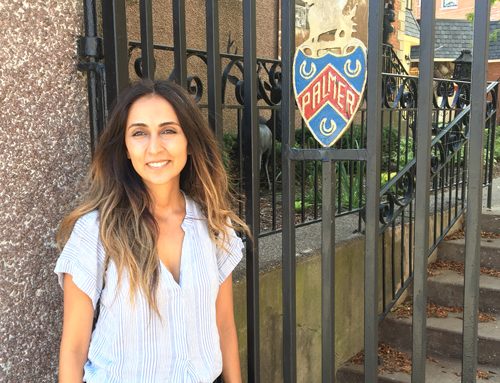
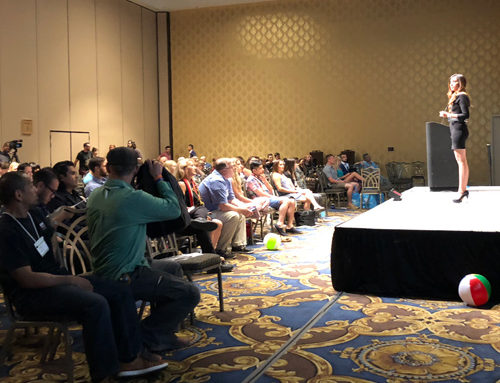
Dr. Nona Djavid’s work with more than 500 chiropractic owners reinforces a simple truth: practice growth is rarely limited by clinical skill. It is limited by the owner’s ability to build people, systems, and accountability that keep producing when the owner is not the center of every decision.
Your team does not need another pep talk. They need a leader who sets a bigger target, teaches the standards behind it, and gives them the authority to rise. Build that leadership bench now, and your practice can grow in revenue, impact, and freedom without demanding more of your life.